Looking for a Carbon Fix? Canada’s Natural Solution Is Here

Canada’s natural ecosystems could hold the key to fighting climate change, offering a time-tested alternative to high-tech solutions like carbon capture and storage (CCS).
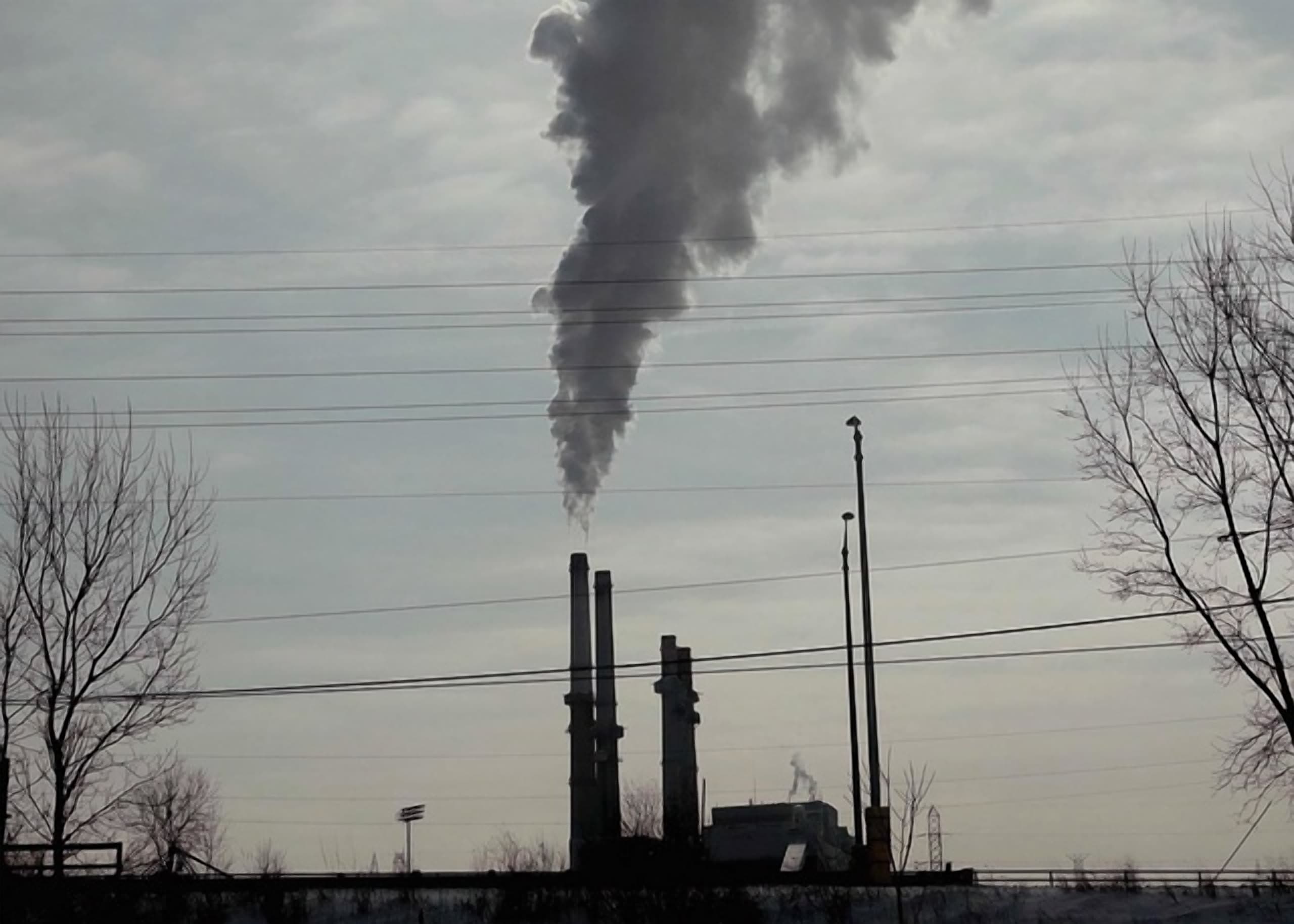
Carbon capture and storage, the process of trapping emissions from industries and storing them underground, has gained renewed attention in Canada. Both federal and Alberta governments have hailed it as a way to balance oil and gas development with climate goals.
However, experts say Canada already has a more reliable and established carbon capture system at its disposal: Nature itself.
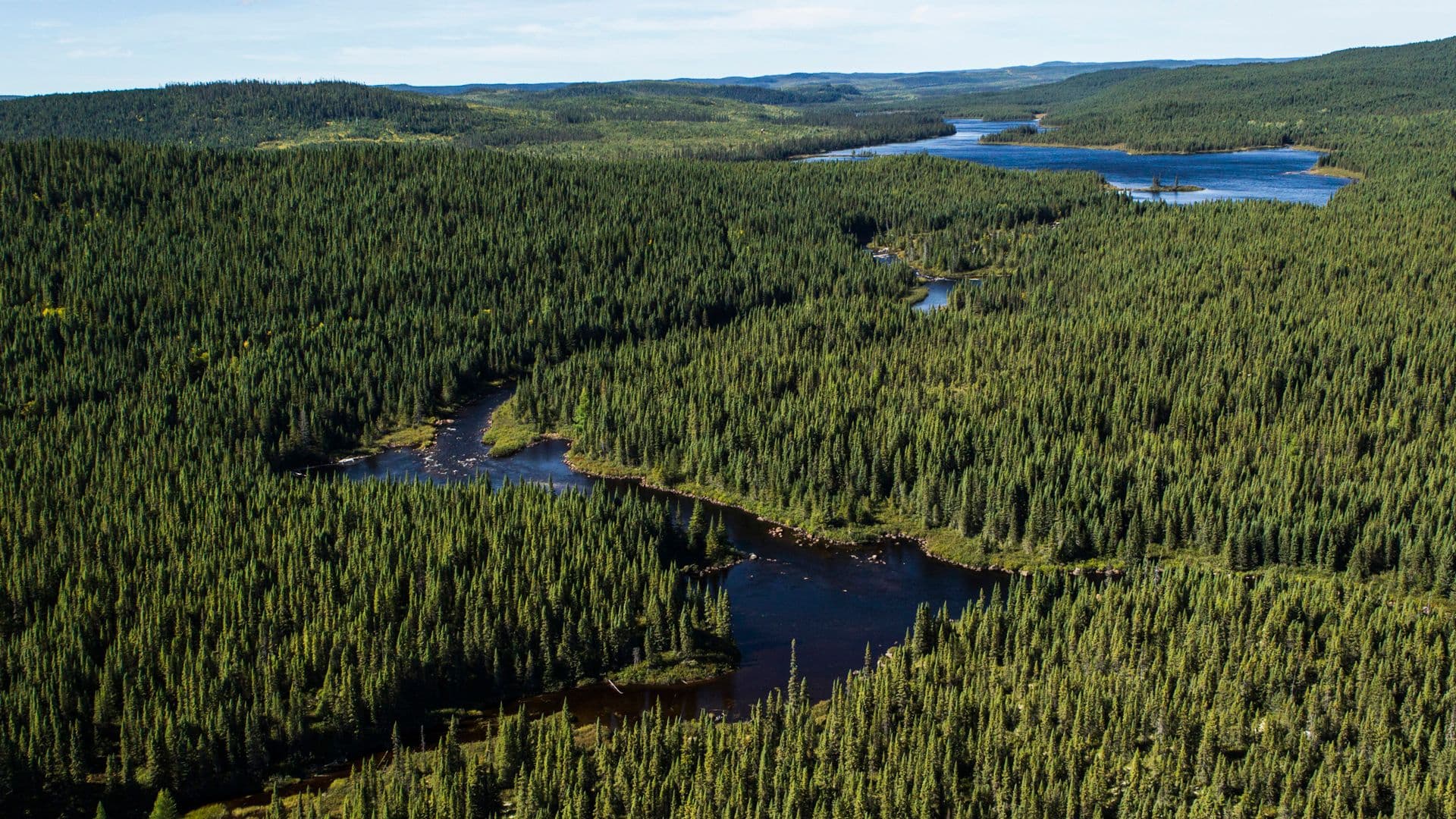
From lush forests to rich peatlands and underwater kelp forests, western Canada’s ecosystems have an immense capacity to absorb greenhouse gases. Restoring and protecting these natural systems could offer a critical path forward, they argue, one that brings additional benefits to biodiversity and communities.
Peatlands: Ancient Carbon Sinks
Peatlands, with their spongy moss and vibrant colours, are a type of wetland spread across northern British Columbia and Alberta. These ecosystems store carbon by staying waterlogged, slowing decomposition and allowing plants to accumulate in thick, carbon-rich layers.
“Undisturbed peatlands can hold up to 200 kilos of carbon per square metre,” says David Olefeldt, a renewable resources expert at the University of Alberta. Some have built up 12 metres of plant material over 12,000 years.
However, peatlands also emit methane, a potent greenhouse gas. This has raised concerns, but Olefeldt believes their long-term carbon storage still makes them vital. “It’s like the tortoise and the hare,” he explains. While methane emissions may initially outweigh carbon uptake, over time, peatlands lock away far more carbon than they release.
Restoring damaged peatlands, impacted by industries, wildfires, and thawing permafrost, is essential. But economic pressures from peat harvesting and oil development often outweigh restoration efforts.
Also Read: What is Carbon Capture and Storage?
Kelp Forests: The Emerging Blue Carbon Solution
Along British Columbia’s coast, giant kelp and bull kelp form towering underwater forests. These marine plants sequester carbon by releasing particles that sink deep into the ocean, potentially storing carbon for centuries.
Yet warming oceans and overgrazing by sea urchins threaten their survival. The Kelp Rescue Initiative is working to restore these ecosystems by reintroducing lab-grown kelp and experimenting with heat-resistant varieties.
“We have two primary regions that [the Kelp Rescue Initiative] are currently restoring kelp in, and those are the north Salish Sea and Barkley Sound,” says Jasmin Schuster, the initiative’s program manager.
Though still a developing field, kelp restoration could be an important tool in Canada’s climate strategy.
Forests: Massive Sinks, But Also Sources
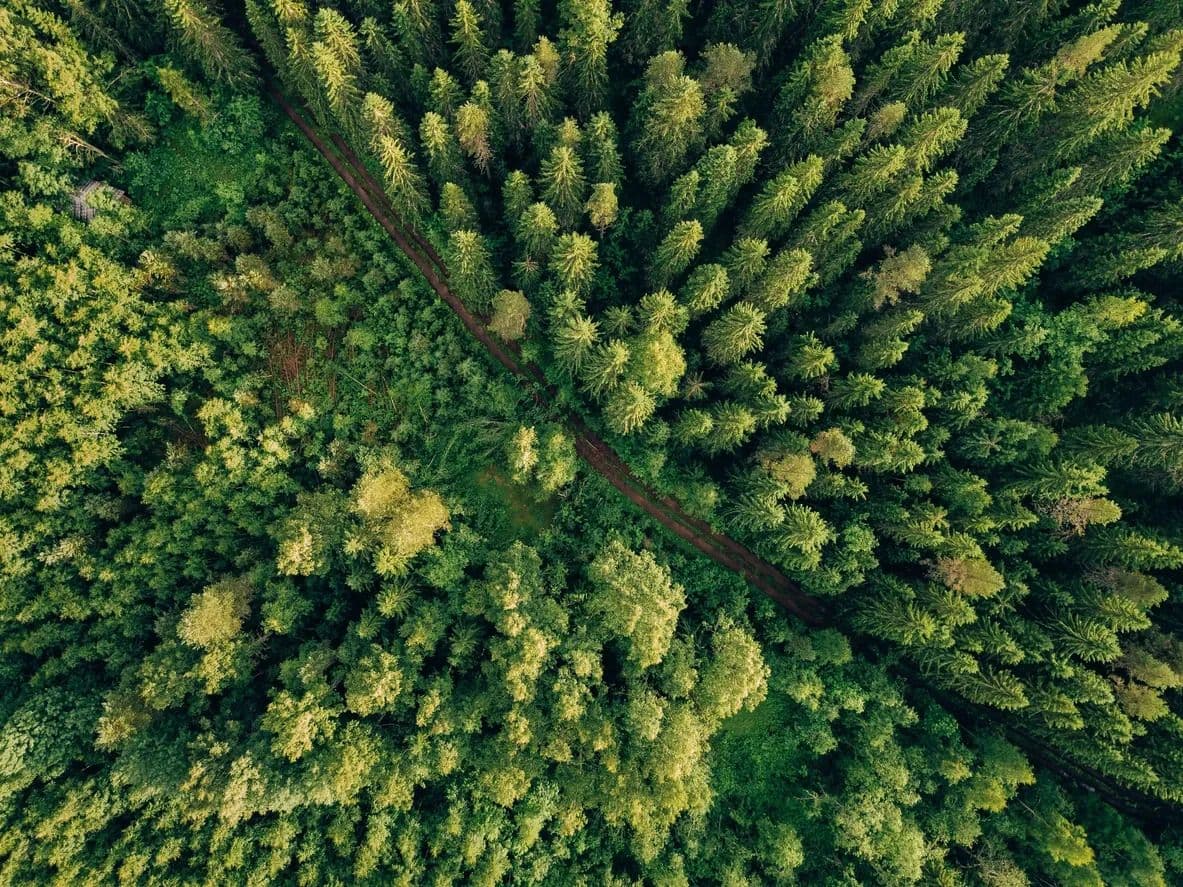
Forests are among the world’s largest carbon sinks, absorbing carbon as trees grow. Younger trees sequester carbon rapidly, while older trees store larger quantities for longer periods.
Yet harvesting and wildfires turn forests into carbon sources, releasing billions of tonnes of carbon annually. Jacob Bukoski of Oregon State University suggests delaying harvests to allow trees to reach their peak growth rates, and diversifying species in replanted forests to boost carbon storage and biodiversity.
Also Read: Understanding Carbon Accounting: A Practical Guide for 2025
A Holistic Approach
Experts agree there’s no single “silver bullet” solution. Instead, Canada must embrace all its natural systems, alongside technology, to address climate change effectively.
“We’re at the point where we need all of the solutions,” says Bukoski. Protecting and restoring these ecosystems also brings added benefits, from flood prevention to wildlife habitat preservation and support for Indigenous traditions.
As Kai Chan of UBC puts it: “Restoration isn’t just about plants. Animals are fundamental to these ecosystems.”
The message is clear: Canada’s carbon fix isn’t buried deep underground or far off in the future. It’s already here, in the land, forests, and seas that surround us.
Follow more news and views via our Environment and Featured Articles sections, and stay updated on top ESG events to attend in 2025 for industry insights and networking.
Source: THE TYEE
Get the ESG Brief in your inbox
One concise email a week — the ratings moves, regulation deadlines, and vetted solutions that matter. Trusted by sustainability and finance teams.
No spam · unsubscribe anytime.