Heatwaves, High Bills, and Housing: Retrofitting Is Europe's Climate Lifeline

In 2022, across Europe, over 41 million citizens, 9.3% of the population, couldn't heat their homes during the colder months, and 19% were unable to keep cool during heatwaves.
Not only is this a financial burden, but the planet is also struggling to cope. Statistics show that buildings account for a staggering 40% of energy consumption in the EU and are responsible for 35% of Europe’s energy-related emissions, with heating and cooling making up approximately 80% of this figure.
It is only set to worsen as our planet’s temperatures soar further. By 2100, up to 100 million Europeans will be exposed to extreme heat, a tenfold increase from today. Our cities and homes are simply not built to withstand this reality.
To align with the European Green Deal, these emissions must be reduced by at least 60% compared to 2015, within the next six years.
Breaking this cycle starts with reimagining how we design, build, and retrofit our spaces to prioritize energy efficiency. This involves better insulation, advanced windows, smart climate control systems, and thoughtful building orientation to reduce heat gain in summer and retain warmth in winter. Energy-efficient buildings help the planet, and they lower operational costs and create healthier, more comfortable living spaces.
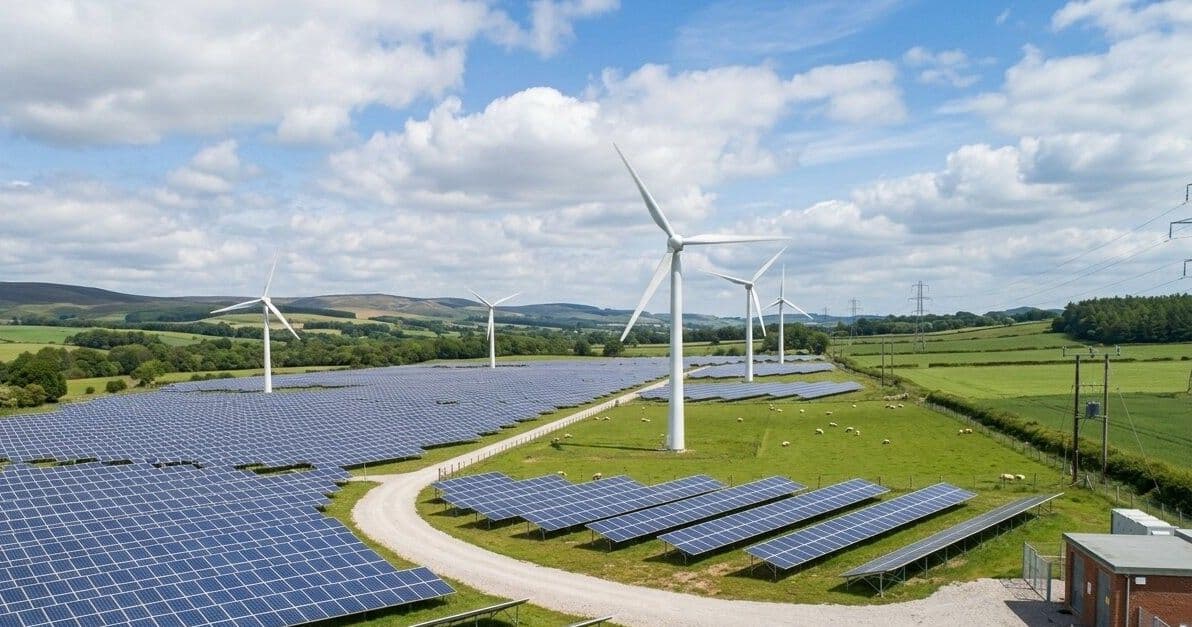
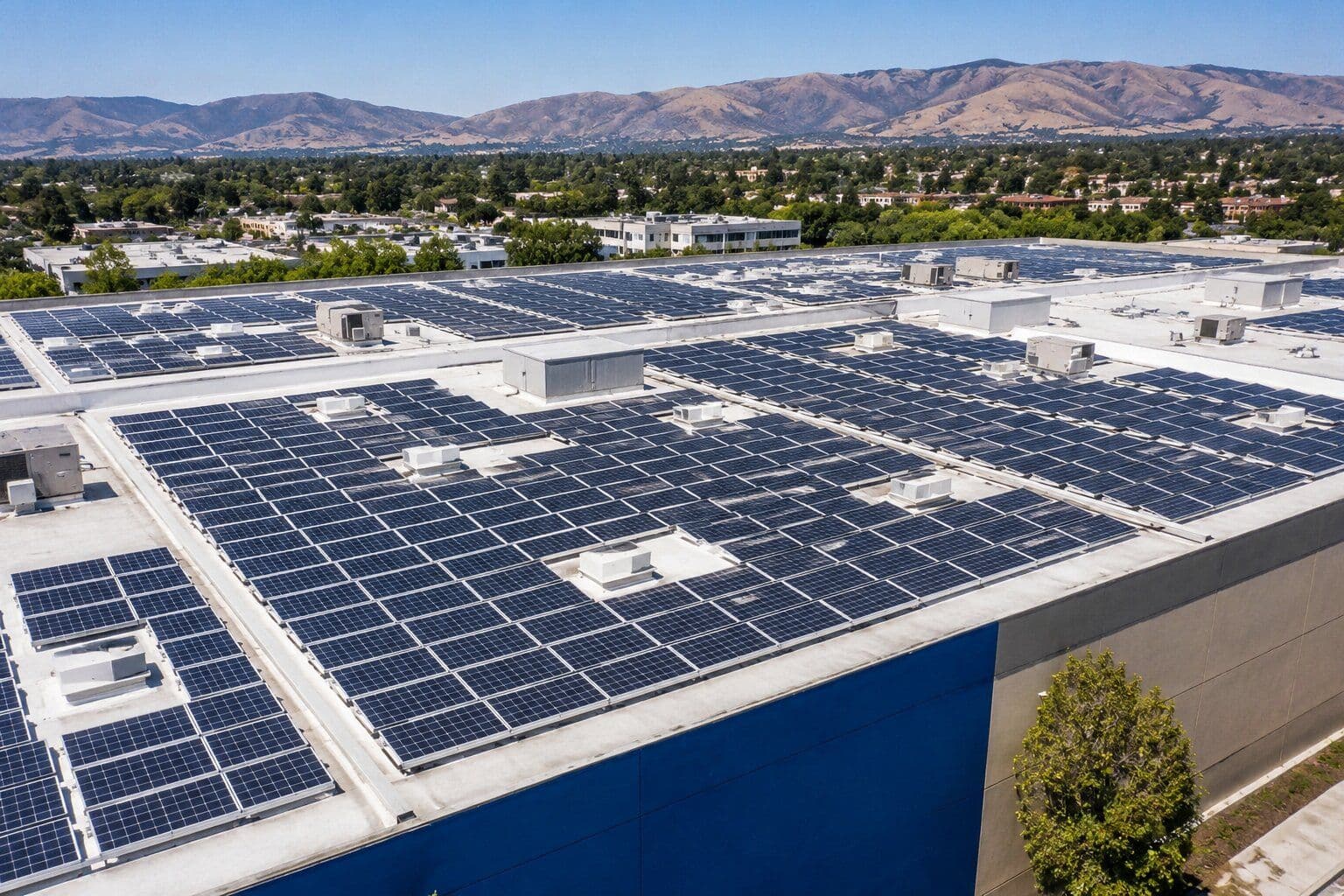
The energy that buildings consume must come from cleaner, more sustainable sources. Solar panels, wind turbines, geothermal systems, and district heating networks powered by renewable energy offer pathways to decarbonize the built environment. As the cost of renewable technologies continues to fall, integrating these systems into both new and existing buildings becomes increasingly viable and economically sensible.
One EU-funded project paving the way in sustainable building renovation is RE-SKIN. This project adopts a holistic renovation approach that combines circularity and energy efficiency to retrofit public housing in France and Spain, a school in Bulgaria, and a community-focused building in Italy. The result is fundamentally improved living conditions for residents and significantly reduced carbon emissions.
It is more than a technical upgrade; it is a social revolution aimed at making housing both affordable and sustainable.
The secret lies in a simple but powerful principle: Retrofitting rather than rebuilding. Using what we already have rather than starting from scratch. It’s important to keep materials in use for as long as possible to reduce their impact on the planet.
RE-SKIN aims to cut energy consumption in existing buildings by up to 90% by using an innovative, multifunctional retrofit system. By integrating bio-based insulation materials, the renovations can be carried out externally, allowing tenants to remain in their homes throughout the process, ensuring both efficiency and social inclusivity, making the process both efficient and socially inclusive.
Furthermore, the use of recyclable and dry construction materials helps lower carbon output by 60% during retrofitting and by 40% over the building’s entire lifecycle.
The system is fully compatible with existing buildings without overloading structures and interfaces with the original installations. It allows for low-intrusive installation works, thus decreasing installation time and speeding up the overall renovation processes while reducing or avoiding discomfort for the inhabitants.
Inside a RE-SKIN Renovation: Community House in Milan
In Milan, Italy, a community house is being retrofitted to demonstrate the possibilities of RE-SKIN's approach. The facility accommodates 16 residents in vulnerable conditions, including people recovering from addiction. Here, the retrofitting focuses on two areas: The roof and the façade.
For the roof, RE-SKIN uses an innovative building-integrated photovoltaic thermal (BIPVT) system, which builds on previous research to create roofs that withstand extreme weather and generate both electricity and thermal energy. Adapted from curtain wall technology for rooftops, this system ensures better durability against heavy rain and strong winds.
The renovated roof will be made from recycled aluminum, bio-sourced insulation, and repurposed photovoltaic (PV) modules, making it both resilient and environmentally responsible.
As for the façade, the demo site will use multifunctional façade cladding, which combines an external thermal insulation system, thermal energy recovery, and versatile finishing to ensure the inhabitants can keep as warm or as cool as needed. In this method, traditional insulation foam is replaced with bio-sourced insulation foam, while standard metal sheets are substituted with sustainable steel. Further enhancements include recycled aluminium profiles and an optimized mounting system to reduce installation time.
This new façade design provides dynamic thermal insulation, weather protection, and integrated space for wires, vents, sensors, and pipes.
The evidence is clear. For a just transition, we cannot rely solely on the reduction of emissions in the operational phase, but we must also consider the related embodied emissions throughout the whole life cycle. Large-scale renovation projects prioritizing circular materials and energy efficiency must become the norm.
But for this transformation to truly take root, systemic challenges must also be addressed. Many affordable housing units across Europe are outdated, poorly insulated, and equipped with inefficient heating systems. The renovation landscape remains fragmented and underfunded, while rising energy prices disproportionately impact vulnerable populations, from low-income families to the elderly. Without intervention, this reality will deepen social inequalities, worsen health outcomes, and hinder climate progress.
The RE-SKIN project contributes not only innovative solutions but also strategic insights. We need stronger EU funding commitments, such as the Recovery and Resilience Facility and REPowerEU, to accelerate renovations in affordable housing. With this, we need to empower local communities through targeted training, stakeholder engagement, and inclusive financial mechanisms like subsidies and low-interest loans. By scaling up modular retrofitting systems and integrating digital monitoring tools, Europe can reduce energy use, curb emissions, and ensure that the transition to energy-efficient buildings is both equitable and far-reaching.
Get the ESG Brief in your inbox
One concise email a week — the ratings moves, regulation deadlines, and vetted solutions that matter. Trusted by sustainability and finance teams.
No spam · unsubscribe anytime.