Healthy Soil: The First Step to Prevent Ecological Collapse

Takeaways
- Soil is the most biodiverse habitat on Earth and a critical climate ally, yet more than 75% of global soils are already degraded.
- Healthier soils can cut emissions, boost farm productivity, and help protect biodiversity, especially in megadiverse countries like Colombia.
- New tools that allow farmers to “see” into their soils could transform agriculture and climate action at scale.
Soil is the foundation of life on Earth, hosting at least 59% of all known species and more than 80% of all fungi and plants. In Colombia, it also underpins one of the country’s most important economic sectors: agriculture. Around 2,500 smallholder farmers produce 70% of the nation’s food, while agriculture, forestry, and fishing together account for 9.27% of GDP.
Despite its importance, soil has long been overlooked. Today, more than three-quarters of the world’s soils are considered degraded due to erosion, pollution, unsustainable farming practices, and climate extremes. This decline has major climate implications. According to the Food and Agriculture Organization of the United Nations, global agrifood systems emitted 16.2 billion tonnes of carbon dioxide equivalent in 2022, making farming one of the most carbon-intensive industries worldwide.
Read More: Companies Falling Short in Protecting Nature, Says WBA
Soils play a dual role in the climate system. Healthy soils act as carbon sinks, drawing carbon out of the atmosphere through photosynthesis. Degraded soils, however, especially burned or drained peatlands, release carbon, accelerating global heating. Preventing ecological collapse, therefore, requires urgent changes in how land is managed, starting with the soil beneath our feet.
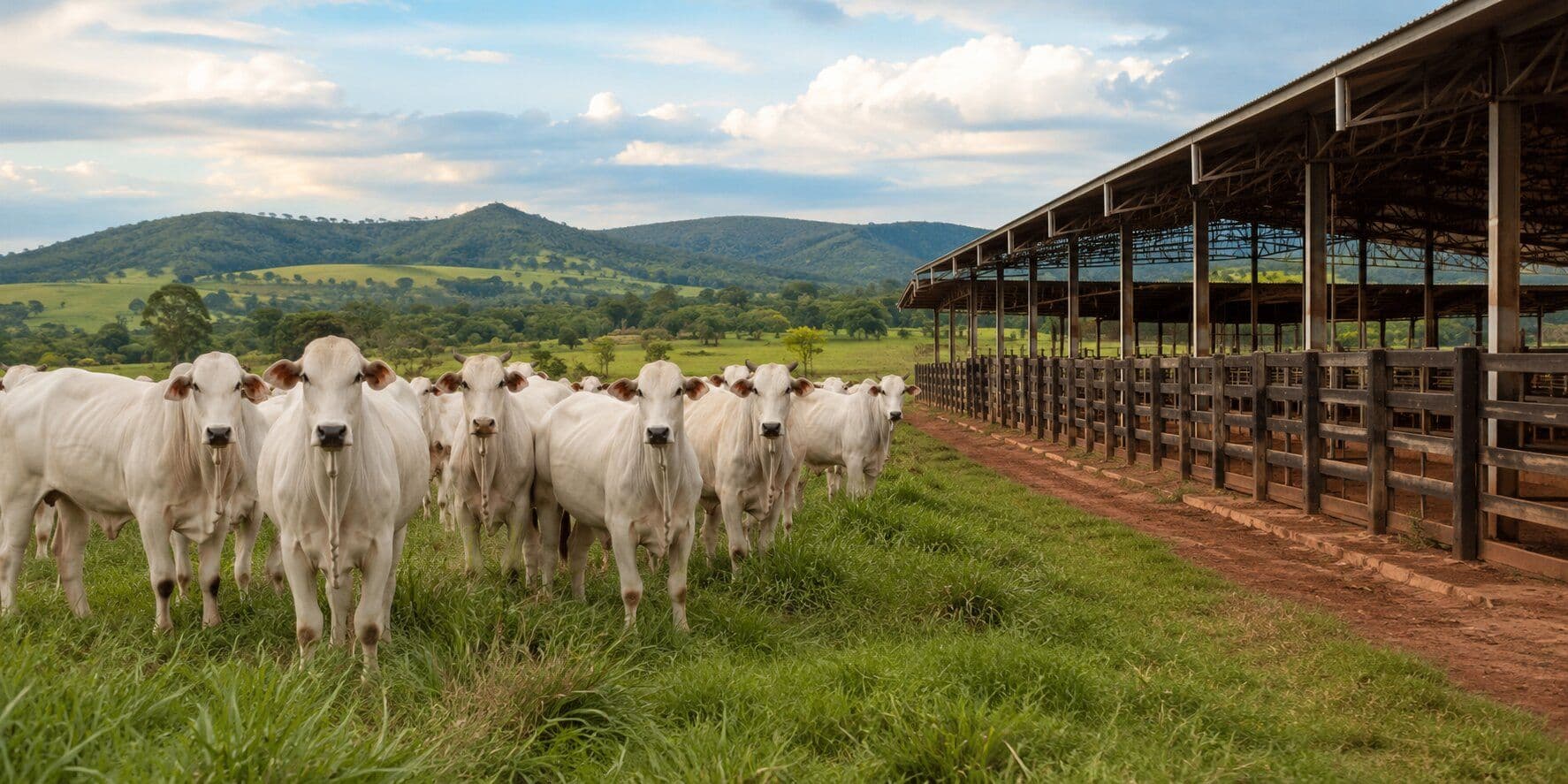
The economic case for soil health is just as strong. Soil erosion alone costs the global economy an estimated USD 8 billion each year. Compaction caused by heavy machinery and large livestock herds can reduce long-term farm productivity by 10–20%. By working with nature rather than against it, farmers can build more resilient and productive systems that are better able to withstand climate shocks.
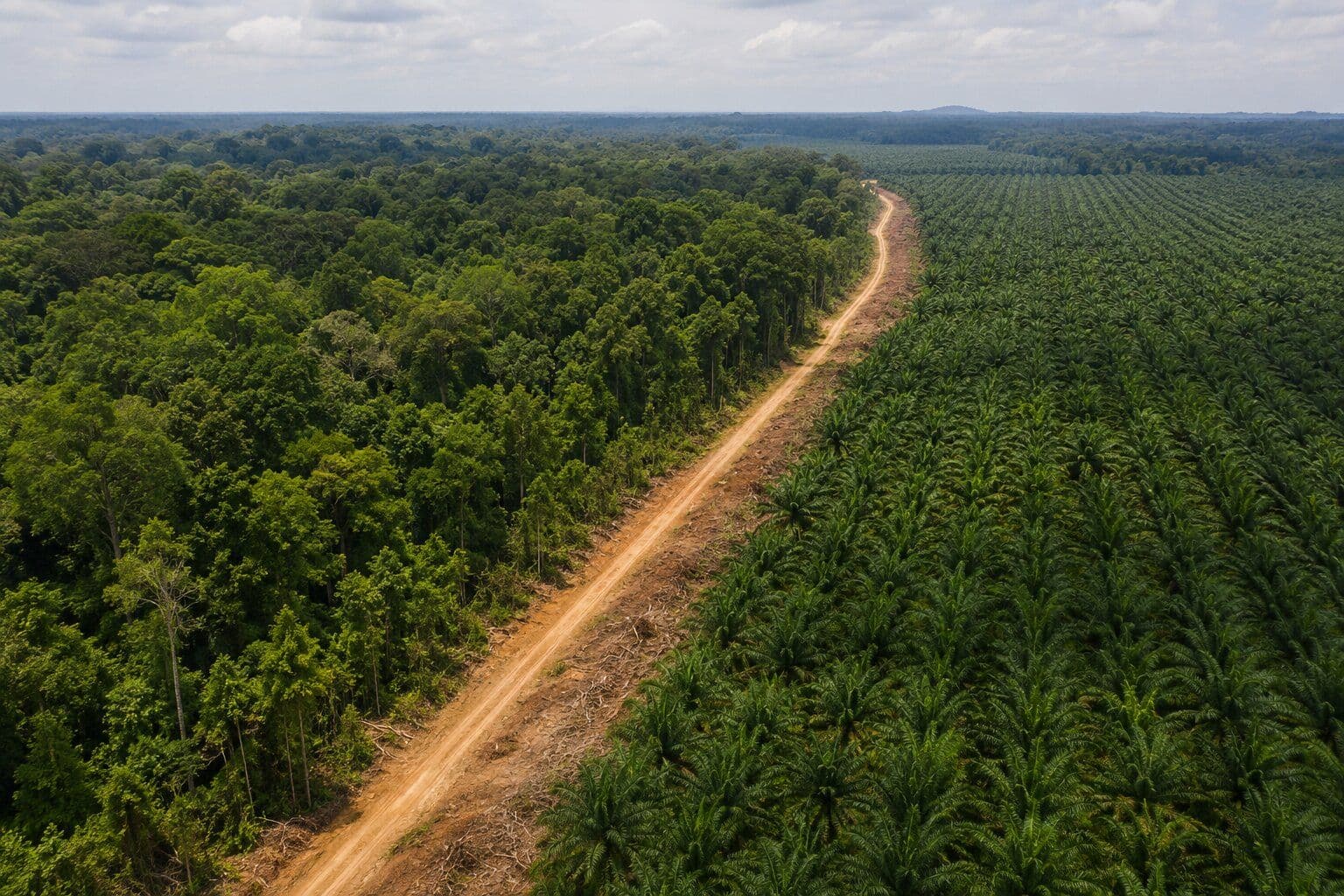
In Colombia, the stakes are particularly high. The country is classified as “megadiverse,” hosting an estimated 10% of the world’s biodiversity. Yet farming has been a major driver of habitat loss. Between 2000 and 2020, around 4.9 million hectares of natural forest were converted into grasslands. Improving yields on existing farmland could reduce pressure on forests, allowing marginal land to recover and ecosystems to rebound.
One challenge has been the lack of detailed, scalable tools to measure soil health over time. That gap may now be closing. The Earth Rover Program, a global non-profit partner of the Alliance of Bioversity International and CIAT, has spent three years developing new methods to “see” into soils. Using a concept known as soilsmology, adapted from seismology, the approach sends ultrahigh-frequency waves through topsoil to reveal its structure, moisture, density, porosity, and potentially carbon content.
These insights could allow farmers to fine-tune fertilizer use, irrigation, and tillage, cutting costs and emissions without sacrificing yields. Importantly, the tools have been developed with farmers, blending scientific innovation with local and Indigenous knowledge.
Also Read: IFC Launches ClimaLab to Manage Climate Risks in Europe
As South America takes centre stage in global climate discussions following COP30 hosted by Brazil, Colombia has an opportunity to lead. Transforming agriculture through better soil management could spark a new, greener revolution, one that benefits farmers, biodiversity, and the climate alike.
Follow more news and views via our Climate & Environment and Featured Articles sections, and stay updated on the top ESG events to attend in 2025 for industry insights and networking.
If you're looking for suitable ESG and Sustainability providers to share customized solutions specific to your business needs, you can check out KnowESG's Solutions page.
If you are an ESG provider looking to get your organization listed on our portal, visit this page.
Source: IMPAKTER
Get the ESG Brief in your inbox
One concise email a week — the ratings moves, regulation deadlines, and vetted solutions that matter. Trusted by sustainability and finance teams.
No spam · unsubscribe anytime.