How Climate Change Impacts Pharmaceutical Cold Storage Requirements

Some medications can lose their potency within hours if storage conditions fail, creating serious risks for patient safety and public health. Vaccines, biologics, insulin, and other critical pharmaceuticals depend on strict temperature control throughout production, transport, and storage to maintain their effectiveness. Even brief deviations can lead to degradation, reduced therapeutic impact, and significant product loss.
Climate change intensifies these risks by driving extreme heat events, increasing the likelihood of power outages, and creating unpredictable weather patterns that disrupt cold chains. Pharmaceutical companies must adapt their cold storage systems—solutions like those offered by Mirai Intex—to withstand these environmental challenges, ensuring continuous, precise climate control that preserves the integrity and efficacy of vital medications.
Environmental Stressors on Cold Storage Systems
Climate-related challenges affect every aspect of pharmaceutical storage operations. Rising temperatures, infrastructure failures, and severe weather create compounding risks that demand immediate attention from facility managers and supply chain professionals.
Sustained Heat Waves Push Equipment Beyond Limits
Prolonged periods of extreme heat force refrigeration units to operate continuously at maximum capacity. Compressors and cooling systems designed for moderate climates struggle when outdoor temperatures remain elevated for weeks. Equipment failures multiply as components wear out faster under constant strain.
Facilities in tropical and subtropical regions face the most severe challenges. Standard cooling equipment cannot maintain required temperatures when ambient conditions exceed design specifications.
Power Grid Instability Creates Critical Vulnerabilities
Electrical infrastructure buckles under the combined cooling demand from multiple sectors during heat events. Transformers overheat and transmission lines fail when consumption peaks simultaneously. Pharmaceutical warehouses must activate backup generators with increasing frequency.
Generator fuel becomes a critical resource during extended outages. Diesel supplies run low when natural disasters disrupt delivery routes. Facilities without adequate fuel reserves risk losing entire inventories of temperature-sensitive products.
Extreme Weather Disrupts Transportation Networks
Hurricanes close shipping routes and ground air freight operations for days. Floods wash out roads and isolate distribution centers. Wildfires force evacuations and create impassable zones. Each disruption extends the time medications spend in transit, threatening cold chain integrity.
Refrigerated trucks stranded without power cannot maintain proper temperatures. Air cargo sits on tarmacs during airport closures. Delays that exceed product stability windows result in complete losses.
Key transportation vulnerabilities include airport closures during hurricanes forcing extended shipment delays, road closures from flooding preventing ground transport access, wildfire smoke reducing air visibility and grounding cargo flights, ice storms damaging electrical infrastructure along distribution routes, and extreme heat buckling airport runways and limiting aircraft operations.
Humidity and Moisture Control Challenges
Rising atmospheric moisture levels complicate temperature regulation in storage facilities. High humidity forces dehumidification systems to work harder, increasing energy consumption. Condensation forms on cold surfaces, potentially damaging packaging and labels.
Coastal regions experience particularly acute humidity problems, as warmer air holds more moisture. Mold growth accelerates in poorly controlled environments. Equipment corrosion becomes more prevalent, shortening the lifespan of critical cooling components.
Seasonal Variability Intensifies
Traditional seasonal patterns become less predictable, making capacity planning difficult. Unexpected cold snaps follow warm periods, stressing heating and cooling systems. Facilities designed for stable climates must now accommodate wider temperature swings.
Spring and fall shoulder seasons shrink as summers lengthen and winters shift unpredictably. This compression forces rapid transitions between heating and cooling modes. HVAC systems experience increased wear from frequent operational changes.
Evolving Regulatory Requirements
Regulatory agencies mandate stronger resilience measures for pharmaceutical storage facilities. Temperature monitoring systems must include redundant sensors and automated alerts. Backup power capabilities need expansion to cover longer outage scenarios.
Validation protocols now require stress testing under simulated extreme weather conditions. Facilities must demonstrate temperature maintenance during multi-day power failures. Documentation standards have become more rigorous to prove climate readiness.
Infrastructure Adaptation Strategies
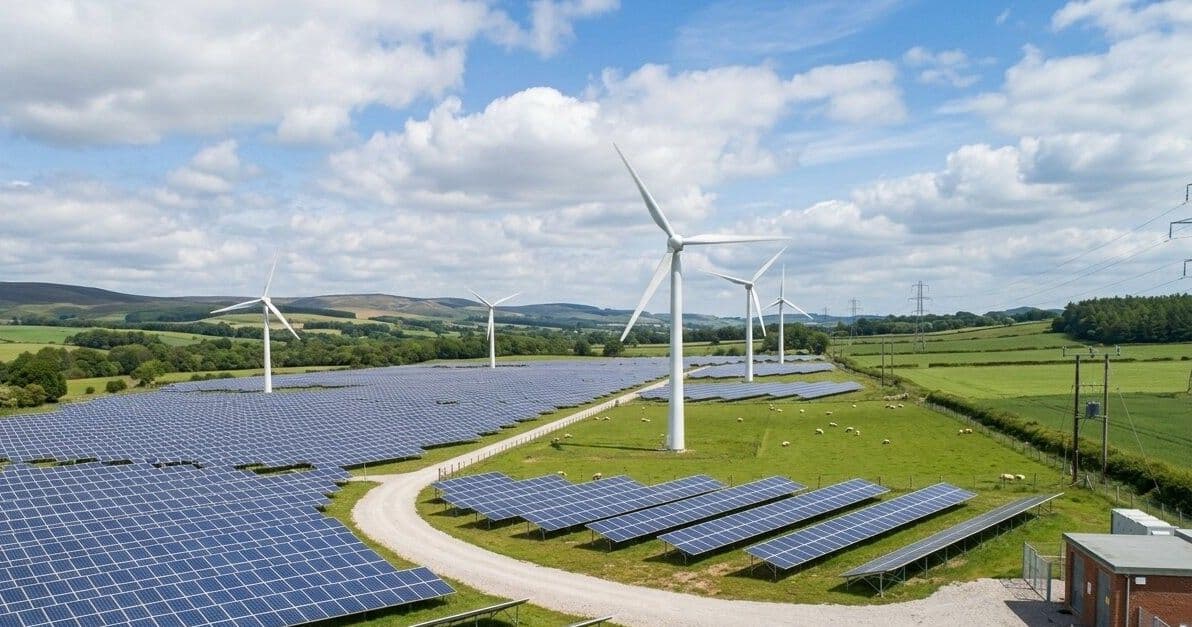
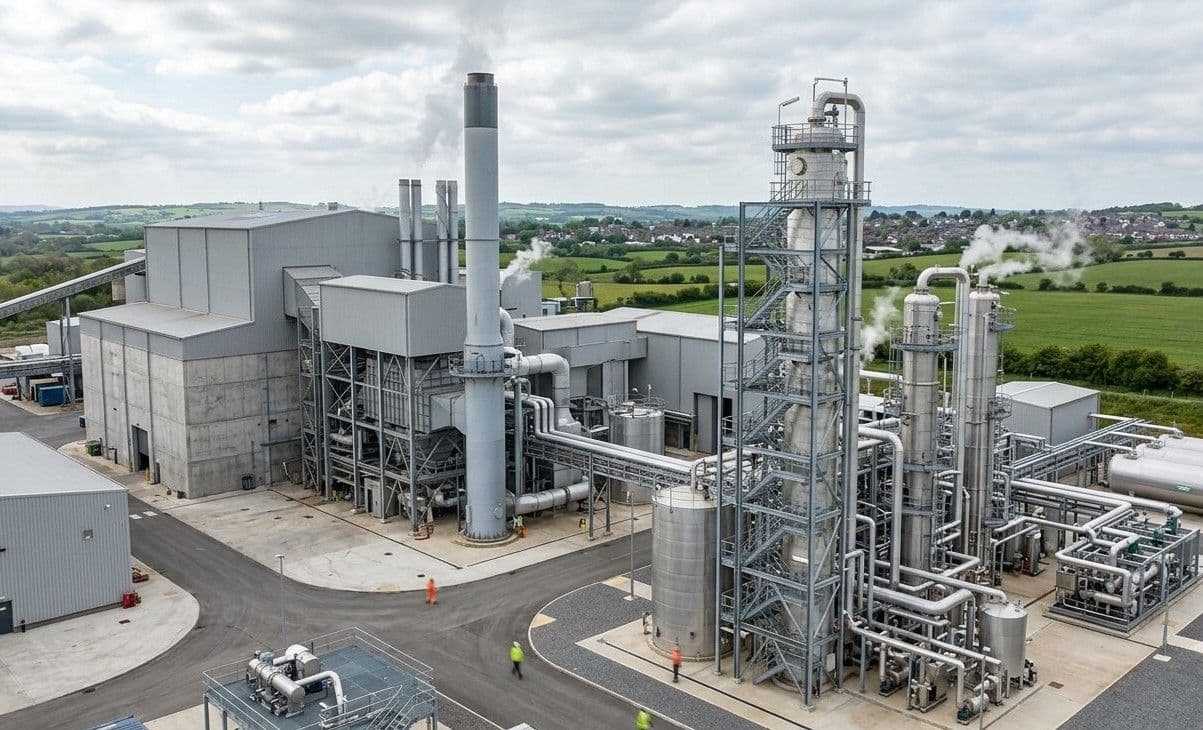
Modern pharmaceutical storage facilities incorporate climate-resilient design features from initial construction. Advanced insulation materials reduce heat transfer. Multiple independent cooling systems provide redundancy. Renewable energy sources decrease reliance on unstable power grids.
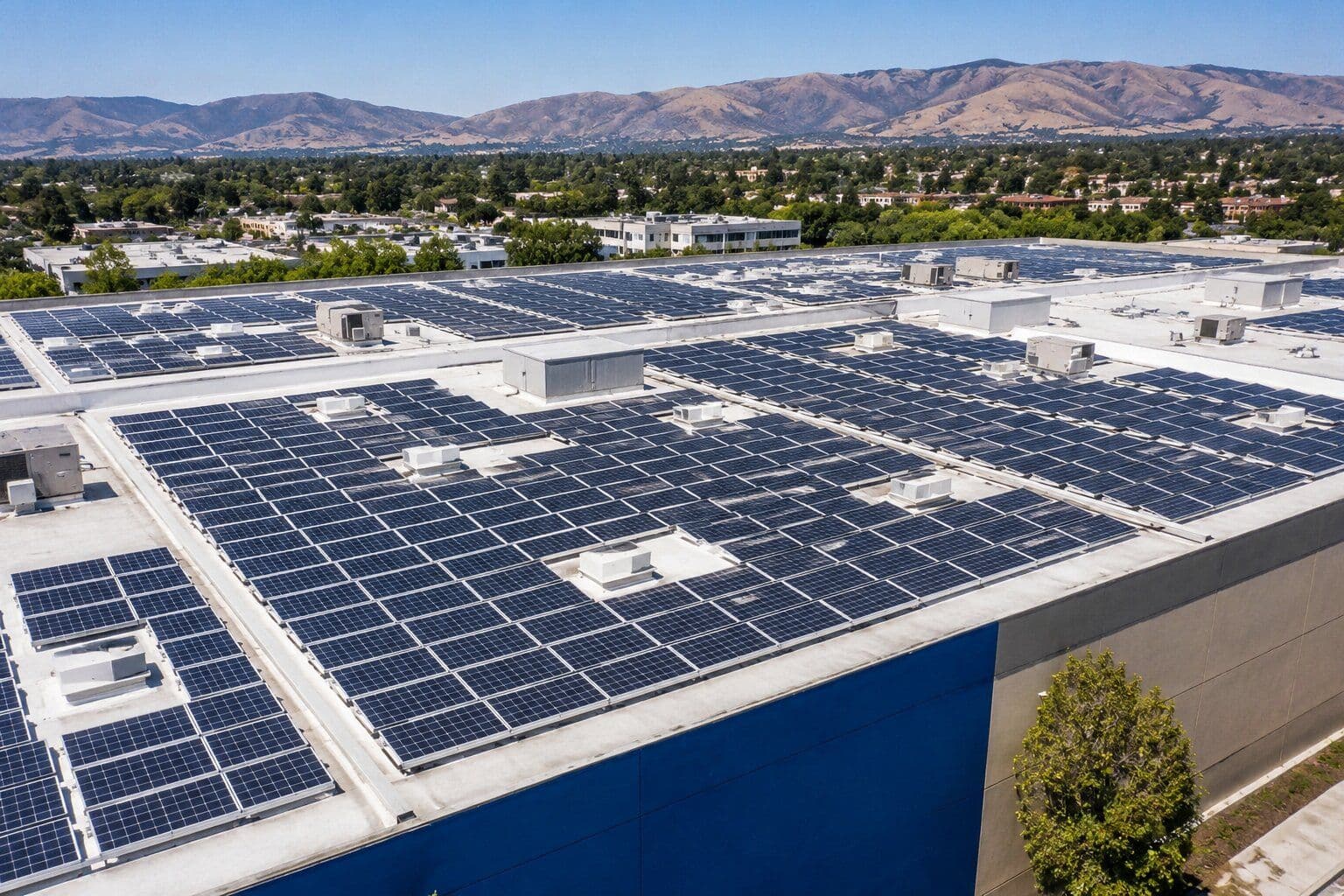
Existing warehouses undergo retrofitting to improve thermal performance. High-reflectivity roof coatings minimize solar heat absorption. Upgraded wall and door insulation prevents temperature fluctuations. Enhanced HVAC systems with variable capacity adjust to changing conditions efficiently.
Essential infrastructure upgrades include triple-redundant cooling systems with independent power sources, thermal mass storage using phase-change materials for passive cooling, diesel and natural gas generators with extended fuel reserves, and seismic and flood-resistant design features in high-risk zones.
Regional differences determine specific adaptation priorities. Coastal facilities install flood barriers and elevate storage platforms above projected surge levels. Desert locations invest in underground storage and advanced cooling technologies. Arctic facilities address permafrost thaw and foundation instability.
Looking Ahead
The pharmaceutical industry faces mounting pressure to maintain cold chain reliability amid accelerating climate change. Investment in resilient infrastructure must continue expanding. Medication access depends on the ability of storage facilities to withstand increasingly severe environmental conditions.
Technological innovation provides pathways forward. Artificial intelligence optimizes cooling system performance based on weather forecasts. Advanced materials offer superior insulation properties. The sector demonstrates that climate adaptation, while challenging, remains achievable through dedicated effort and resource allocation.
Get the ESG Brief in your inbox
One concise email a week — the ratings moves, regulation deadlines, and vetted solutions that matter. Trusted by sustainability and finance teams.
No spam · unsubscribe anytime.