Chinese Miners Face Scrutiny Over Environmental Destruction in DRC

Takeaways
- A new PAX report accuses Chinese miners and their Congolese partners of large-scale illegal gold extraction in the Democratic Republic of the Congo (DRC), devastating rivers, forests, and farmland.
- The operations, allegedly protected by Congolese military and police, have caused widespread environmental damage, health risks, and poverty in Haut-Uélé province.
- Local communities report poisoned waterways, loss of farmland, and deaths linked to flooded pits, while Chinese officials deny knowledge of the activities.
A Netherlands-based peace advocacy group has accused Chinese miners of illegal gold extraction on a massive scale in the Democratic Republic of the Congo (DRC), causing severe environmental destruction and worsening poverty in one of the world’s most fragile regions.
The report, released Wednesday by nonprofit PAX, found that semi-industrial gold mining operations, run by Chinese nationals in partnership with Congolese cooperatives, have devastated at least 155 miles of rivers and streams in Haut-Uélé province. Researchers said the mines operate with the protection of the Congolese army and police units, while local officials are denied access to the sites.
Weak Oversight, Expanding Operations
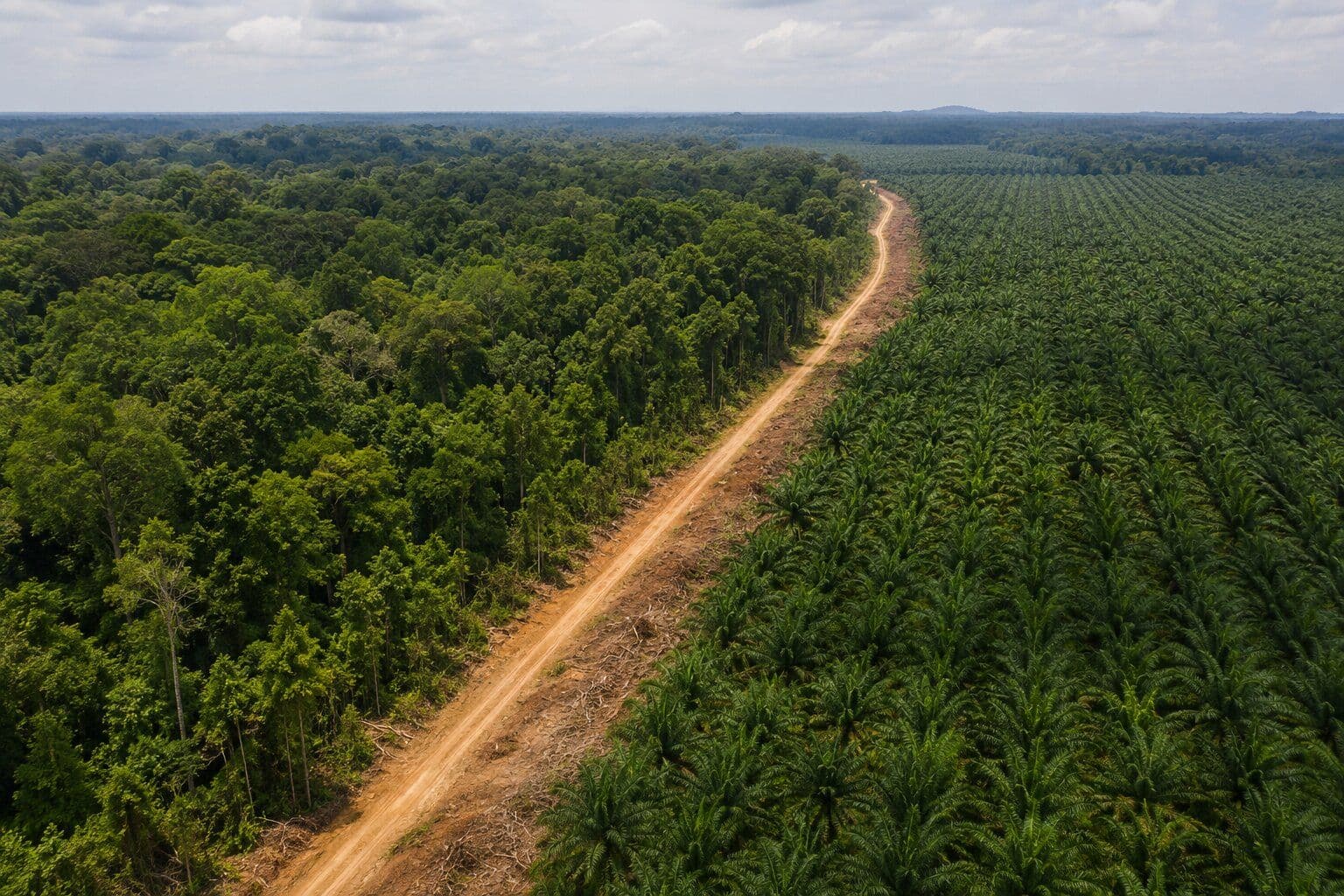
Congolese law permits small-scale artisanal cooperatives to mine under license, but PAX found that these groups are being used as a cover for large-scale, mechanized operations backed by Chinese investors. Using satellite images, researchers documented forests scarred with massive gold-colored gashes and entire riverbeds shifted to accommodate machinery.
“The cooperatives are just labels. The Chinese nationals are the ones who do everything,” a local official told PAX.
Despite repeated questions, the Congolese embassy in Washington, D.C., did not respond. China’s embassy said it was unaware of the specific allegations but insisted that its citizens abroad are required to obey local laws.
Read More: ESG Trends: Annual Outlooks, Regulations, and Developments
Environmental and Health Hazards
PAX warned that illegal mining has left “kilometers-long chains of mining pits” that later flooded, creating drowning risks for children and other residents. The operations also use mercury and cyanide, toxic chemicals that contaminate waterways feeding the Congo River Basin, home to endangered species such as gorillas, okapi, and pangolins.
Local residents describe rivers drying up, fields destroyed, and worsening health conditions. Mercury exposure, experts warn, can cause neurological damage, particularly in children. Haut-Uélé is already one of the poorest provinces globally, with 88 percent of children living in poverty.
A local activist said, “Mining carried out by the Chinese destroys everything in its path: forests, fields, water, and in this case, the population is sacrificed and human rights are violated.”
Rising Tensions
The surge in illegal gold mining in the region began in 2020, fueled by rising gold prices and growing demand from global markets. China, one of the world’s largest gold consumers, has invested heavily in the DRC through its Belt and Road Initiative, often focusing on mining and construction.
But the scale of operations and their environmental toll have sparked tensions, with communities losing farmland without compensation and being forced to pay for clean water that was once free.
Also Read: How To Better Tackle Business Greenwashing
One farmer recalled how her cassava fields were destroyed by mining machinery: “I begged them to let me have back even just the cassava that had been ripped up, but they refused. … They destroyed most of the field and left a small part, which I’m now trying to use to get by so that the children can survive.”
Follow more news and views via our Environment and Featured Articles sections, and stay updated on the top ESG events to attend in 2025 for industry insights and networking.
Source: Inside Climate News
Get the ESG Brief in your inbox
One concise email a week — the ratings moves, regulation deadlines, and vetted solutions that matter. Trusted by sustainability and finance teams.
No spam · unsubscribe anytime.