Ammonia Energy Under the Microscope: Costs, Emissions, and Choices

Takeaways
- Ammonia is gaining attention as a carbon-free energy carrier, but its climate benefits depend heavily on how it is produced.
- New research maps the global cost and emissions tradeoffs across multiple ammonia production pathways and countries.
- The findings can help governments and industry choose cleaner, cost-effective ammonia strategies as global trade grows.
Ammonia is emerging as a serious contender in the global clean energy debate. Long used as a fertilizer input, it is now being explored as an energy source and a carrier of hydrogen. Supporters point to its high energy density, carbon-free combustion, and the fact that it is already produced and transported at scale. Critics, however, note that today’s ammonia production comes with a heavy carbon footprint.
New research from the MIT Energy Initiative sheds light on these tradeoffs by offering the most detailed global picture yet of ammonia’s economic and environmental impacts.
In a newly published paper, researchers from MITEI built the largest combined dataset examining ammonia supply chains across 63 countries. The study compares costs and lifecycle emissions for several ammonia production technologies, including conventional methods and emerging low- and no-carbon alternatives. By accounting for country-specific energy prices, financing conditions, and transport routes, the analysis allows for global comparisons that were previously impossible.
Read More: BASF and Evonik Replace Fossil with Renewable Feedstocks
“This is the most comprehensive work on the global ammonia landscape,” says senior author Guiyan Zang, a research scientist at MITEI. According to the researchers, hydrogen and ammonia are currently the only fuels available at scale that can deliver energy without releasing carbon, and ammonia stands out for being easier and cheaper to transport.
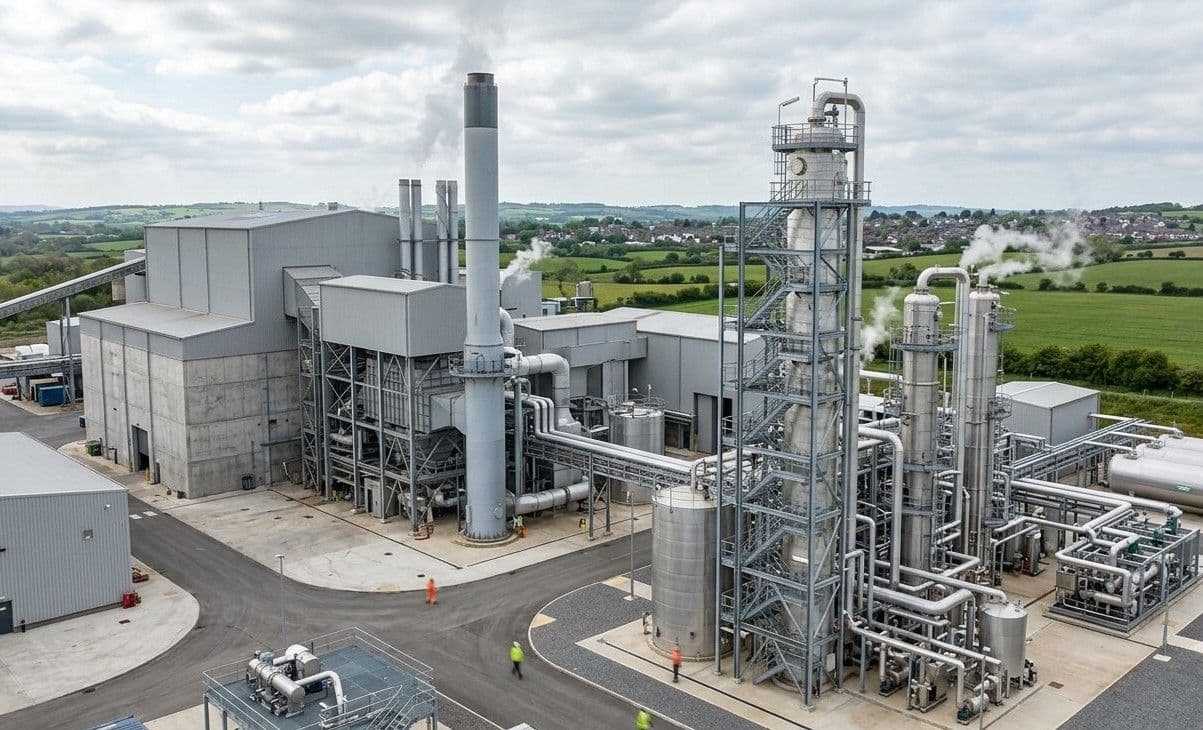
The study highlights stark differences between production pathways. Today, most ammonia is made using the Haber-Bosch process powered by fossil fuels, often referred to as gray ammonia. While it is the cheapest option, costing around 48 cents per kilogram in the U.S. context, it also produces the highest emissions, at 2.46 kilograms of CO₂ equivalent per kilogram of ammonia.
Cleaner options exist, but at a cost. Pairing conventional production with carbon capture and storage could cut global greenhouse gas emissions by nearly 71 percent, though costs would rise by more than 23 percent. Producing green ammonia using renewable electricity could reduce emissions by almost 100 percent, but with cost increases closer to 46 percent.
Other blue ammonia pathways, which rely on natural gas combined with carbon capture, show more balanced tradeoffs. Auto-thermal reforming with carbon capture, for example, delivers much lower emissions than gray ammonia at only a modest cost increase. Nuclear-powered ammonia production also performs well on emissions, approaching near-zero levels, though it remains more expensive.
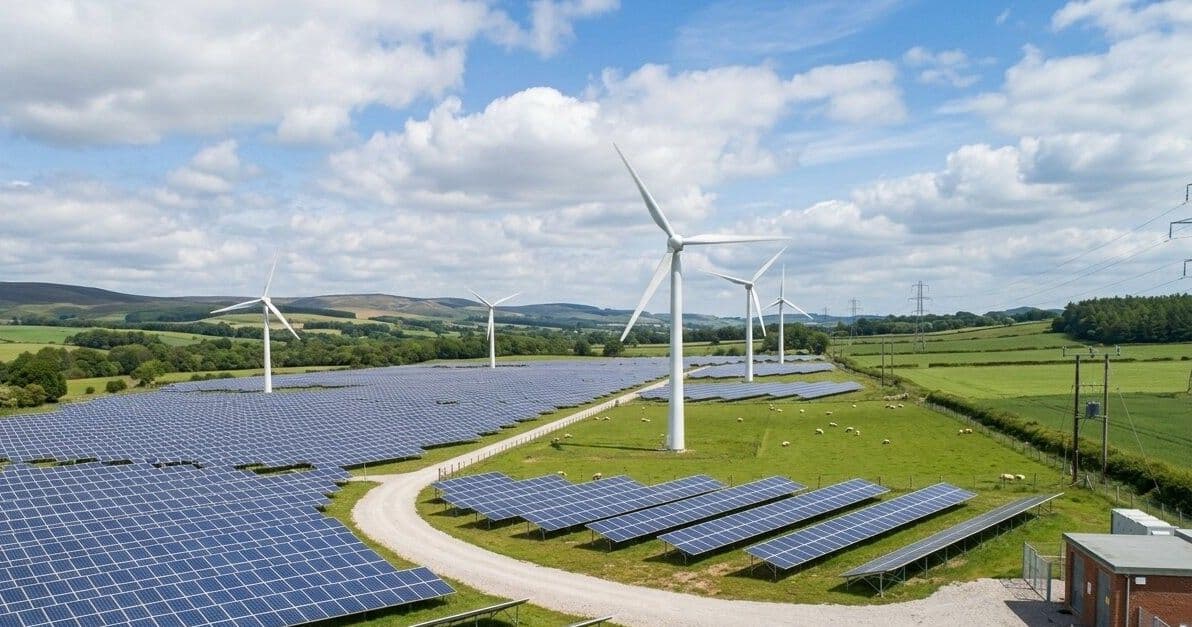
Geography plays a major role. Energy prices, grid composition, and financing conditions drive wide variations in cost and emissions across countries. The study finds that China could become a major future supplier of green ammonia, while the Middle East offers competitive low-carbon options due to cheap natural gas. In contrast, ammonia produced using grid electricity is often both more expensive and more carbon-intensive.
The research, published in Energy and Environmental Science, comes as countries like Japan and South Korea begin to include ammonia in national energy strategies. With global trade expected to dominate low-carbon ammonia supply by 2050, the dataset could prove crucial for policymakers and industry leaders.
Also Read: AM Green and DP World to Develop Global Green Fuels Hub
“Governments can use this to compare options and set future policies,” Zang says. “Any country producing ammonia needs to know which countries they can deliver to economically.”
Follow more news and views via our Climate & Environment and Featured Articles sections, and stay updated on the top ESG events to attend in 2026 for industry insights and networking.
If you're looking for suitable ESG and Sustainability providers to share customized solutions specific to your business needs, you can check out KnowESG's Solutions page.
If you are an ESG provider looking to get your organization listed on our portal, visit this page.
Source: MIT News
Get the ESG Brief in your inbox
One concise email a week — the ratings moves, regulation deadlines, and vetted solutions that matter. Trusted by sustainability and finance teams.
No spam · unsubscribe anytime.