Amazon Carbon Shift Puts Carbon Markets and ESG Funds on Edge

Takeaways
- The Amazon carbon shift from sink to source is raising fresh concerns about climate tipping points and financial risk.
- Carbon markets and ESG funds face renewed pressure as nature-based credits come under scrutiny.
- Investors may pivot toward verified carbon removal solutions and stricter ESG risk assessments.
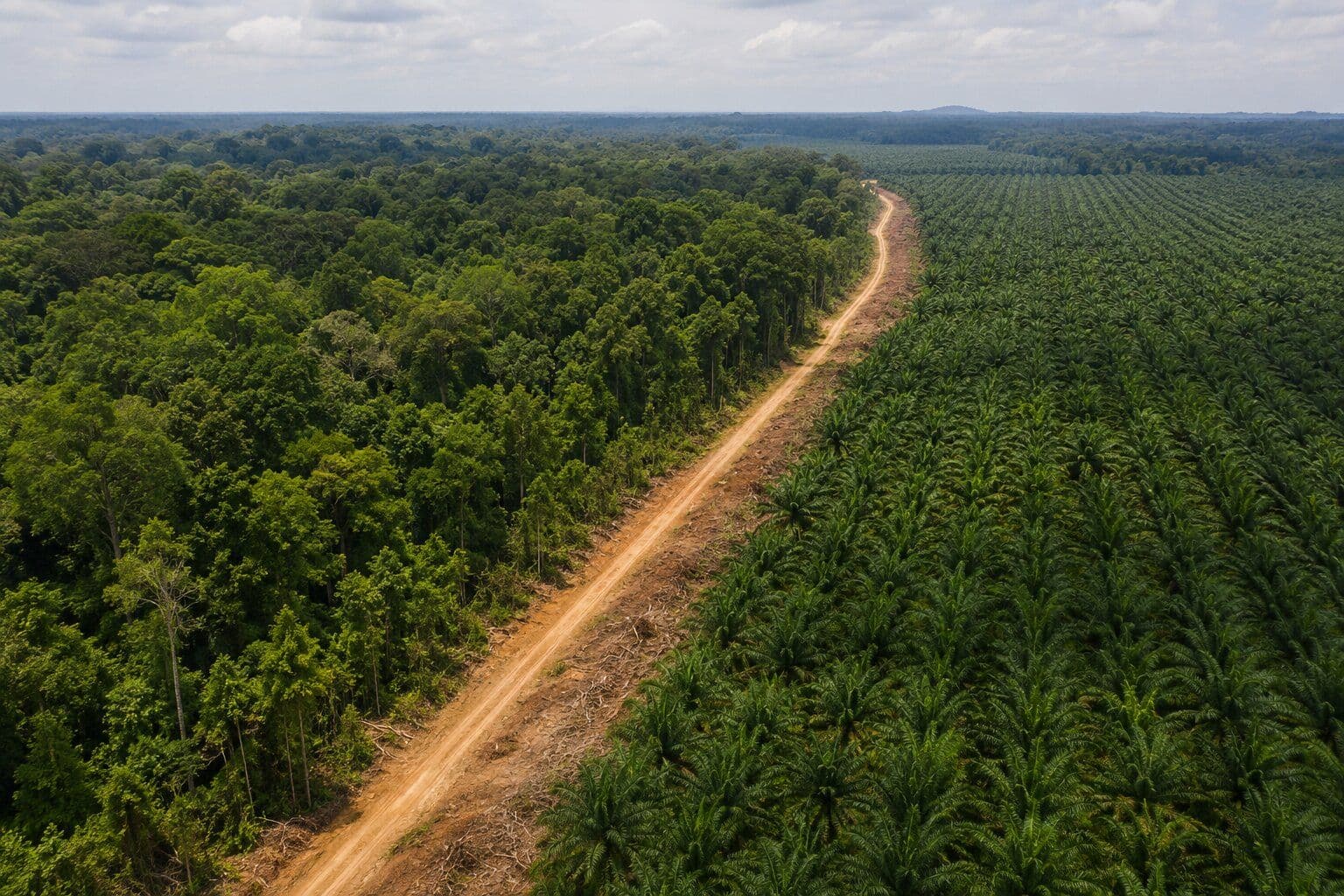
The Amazon carbon shift is sending shockwaves through global climate and finance circles. For a recent three-month period, the Amazon rainforest acted as a net carbon source, releasing an estimated 10 to 170 million tonnes of CO2. Long considered one of the planet’s largest natural carbon sinks, the forest’s reversal is now being viewed as more than an environmental alarm; it is a financial warning sign.
Scientists link the shift to ocean warming and severe drought conditions. In 2023, an “exceptional drought” in the Amazon basin was found to be 30 times more likely due to climate change. While concerns about Amazon dieback have circulated since at least 2021, this latest episode suggests the risks may be broader and more systemic.
Carbon Market Faces Growing Strain
The development comes at a sensitive time for the global carbon market. In 2025, carbon pricing instruments covered approximately 28% of global greenhouse gas emissions, generating over $100 billion in revenue in 2024. Yet cracks are appearing.
The voluntary carbon market (VCM) is already facing oversupply, with nearly 1 billion unretired credits globally in 2024. Prices have softened, though high-quality nature-based credits continue to attract buyers. The Amazon carbon shift adds uncertainty. If natural carbon sinks become less reliable, investors may question the long-term value of nature-based credits.
At the same time, demand for verified carbon removal solutions could increase. Unlike emissions avoidance projects, removal credits promise longer-term carbon storage. Analysts say this shift in preference could reshape pricing dynamics across the carbon market.
Read More: Carbon Capture Market Forecast: Policy Shifts Fuel Global Growth
ESG Reassessment in a Warming World
The Amazon carbon shift is also intensifying debate around ESG volatility. Investors increasingly recognize that climate change is financially material. Extreme weather, drought, and ecosystem degradation can disrupt supply chains, drive up insurance costs, and weaken agricultural output.
Sectors like agriculture and insurance are particularly exposed. Rising production costs and higher claims could strain balance sheets. Financial institutions are already expanding sustainability-linked offerings to manage these risks.
For ESG investment strategies, the message is clear: Natural stability can no longer be assumed. Funds may reassess portfolios tied to businesses dependent on carbon sequestration from forests or those vulnerable to physical climate risks. Greater emphasis is likely to be placed on resilience, verified integrity, and measurable emissions reductions.
The Tipping Point Risk
Scientists warn that crossing climate tipping points, such as large-scale Amazon dieback, could double or even triple the economic costs of climate change. The Amazon carbon shift highlights how environmental stress can quickly translate into financial uncertainty.
Current carbon prices may also be insufficient. Experts suggest that a carbon price above $20 per ton of CO2 captured could significantly support Amazon restoration efforts. Without stronger pricing signals, conservation and large-scale recovery may remain underfunded.
Looking Ahead
The Amazon carbon shift underscores the fragile balance between environmental systems and global finance. As climate risks intensify, markets are being forced to adjust. The push toward net-zero targets may accelerate demand for higher-quality credits and robust carbon removal solutions.
Also Read: Understanding Carbon Accounting: A Practical Guide for 2025
For investors, the episode is a reminder that ESG volatility is no longer theoretical. It is unfolding in real time, and the Amazon is at the center of it.
Follow more news and views via our Climate & Environment and Featured Articles sections, and stay updated on the top ESG events to attend in 2026 for industry insights and networking.
If you're looking for suitable ESG and Sustainability providers to share customized solutions specific to your business needs, you can check out KnowESG's Solutions page.
If you are an ESG provider looking to get your organization listed on our portal, visit this page.
Source: Whalesbook
Get the ESG Brief in your inbox
One concise email a week — the ratings moves, regulation deadlines, and vetted solutions that matter. Trusted by sustainability and finance teams.
No spam · unsubscribe anytime.